- 移动端


英文特生物技术(北京)有限公司品牌商
12 年
手机商铺
商家活跃:
产品热度:
- NaN
- 0
- 0
- 1
- 0

研选
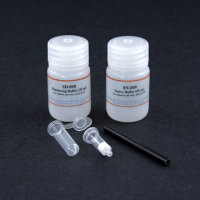
ER-036 Minute™ 动物细胞/组织内质网富集试剂盒
¥6282
推荐产品
公司新闻/正文
蛋白质研究技术的最新进展讲座-Quanzhi Li 博士主讲
1994 人阅读发布时间:2015-05-13 17:18
2015年5月19日-2015年5月21日将举办关于蛋白质研究技术的最新进展京沪杭巡回讲座。
报告题目:Advancements in Protein Research Technologies
报告内容:
1. 蛋白质研究目前的现状
2.蛋白质相互作用在药物靶点中的应用
3.蛋白质分离的新技术
主讲人:Quanzhi Li 博士
主办单位:Invent Biotechnology公司
协办单位:清华大学
北京大学
浙江大学医学院
中科院上海生命科学研究院生物化学与细胞生物学研究所
中科院上海高研院
会议日程安排:
欢迎广大师生,前来参加!
CURRICULUM VITAE
Quanzh Li M.D., Ph. D
E-Mail: qzli@inventbiotech.com
-----------------------------------------------------------------------------------------------------------------------------------------
Marital Status: Married, Male, Citizenship: USA
EDUCATION
9/86-7/91 Ph D., Department of Bioscience and Biotechnology,Drexel University,
Philadelphia, PA 19104.
1/84-8/88 M.S., Department of Bacteriology and biochemistry,University of Idaho,
Moscow ID 83843
8/75-8/79 M.D., Guangxi Medical College, People’s Republic of China.
Molecular Genetic Techniques
Cell Biologyy
Macromolecule detecting techniques
Hybridoma Technology
Immunoassays and Immunoconjugate
Protein purification and Characterization
PROFESSIONAL EXPERIENCE:
04/1994-Present Senior Research Associate, University ofMinnesota Cancer center
08/1991-04/1994 Post Doctoral Research Associate, Department of Physiological
Sciences, Oklahoma State University.
09/1986-06/91 Laboratory instructor in Microbiology,Immunology, Cell Physiology, and General
Biology.Drexel University, Philadelphia
09/1979-08/1983 Instructor, Department of Microbiology,Youjiang Medical College, P. R. China.
PUBLICATIONS
1.Ashish K., Yao Q., Li Q., Thien Sam T., and JH kersey. 2011. t(4;11) leukemiadisplay additionto MLL-AF4 but not AF4-MLL. Leukemia Research. 35:697-72
2. Ashish K., Li Q., Hudson W., Chen W., Sam T., Yao Q., Lund E., WuB., Koval B., and Kersey J. H. 2009. A role for meis1 in MLL-fusion geneleukemia. Blood. 113:1756-1758.
3. Chen W., Ashish K., Hudson W., Li Q., Wu B., Staggs R., Lund E., Sam T., and Kersey J. K. 2008. Malignanttransformation initiated by MLL-AF9: Gene dosage and critical targetcells. Cancer Cell. 13:432-440
4. Chen W.,Li Q., Hudson W., Ashish K., Nicole K., and Kersey J. H. 2006. A murineMLL-AF4 knock-in model results in lymphoid anf myeloid deregulation andhematologic malignancy. Blood. 108:669-677
5. Yao Q., Nishiuchi R., Li Q., Kumar A., Hudson W., and Kersey J.H. 2003. FLT3 Expressing Leukemiasare Selectively Sensitive to Inhibitors of the Molecular Chaperone HeatShock Protein 90 through Destabilization of SignalTransduction-Associated Kinases. Clinical Cancer Res.. 9:4483-4493
6. Li Q., Hudson W., Wang D., Berven E., Uckun F., and Kersey J.H. 1998.Pharmacokinetics and biodustrubutoin of radioimmunoconjugates ofanti-CD19 antibody and single-chain Fv for treatment of human B-cellmalignancy. Cancer Immunol Immunother. 47:121-130
7. Hudson W., Li Q., Le C., and Kersey J.H. 1998. Xenotransplantation of human lymphoidmalignancies is optimized in mice with multiple immunologic defects.Leukemia. 12:2029-2033
8. Li Q., Frestedt J. L., and Kersey J.H., 1998. AF4 Encodes a Ubiquitous Proteinthat in Both Native and MLL-AF4 Fusion Types Localizes to SubnuclearCompartments. Blood. 92: 3841-3847
9. Wang D., Li Q., Hudson W., Berven E., Uckun F., and Kersey J.H. 1997. Generation andCharacterization of an Anti-CD19 Single-Chain Fv Immunotoxin Composed ofC-Terminal Disulfide-Linked dgRTA. Bioconjugate Chem. 8:878-884
10. Wang D., Berven E., Li Q., Uckun F., and Kersey. J. H. 1997. Optimization of Conditions forFormation and Analysis of Anti-CD19 FVS191 Single-Chain Fv Homodimer(scFv’)2. Bioconjugate Chem. 8:64-70
11. Li. Q., and Ownby, C. L.. 1996. Immunological studies of rabbit antibodiesraised against hemmorhagic fractions of Crotalus viridis viridis: roles of cross-reacting antibodies. Comp. Chem. Physiol. 114A:167-173
12. Li. Q., and Ownby, C. L. 1993. Recovery of DNA from agarose gel in 30 seconds.BioTechniques. 15:976-978.
13. Li. Q., and Ownby, C. L. 1993. Cross-reactivities of monoclonal antibodiesagainst hemorrhagic toxins of prairie rattlesnake (Crotalus viridis viridis) venom. Comparative Physiology and Biochemistry. Comp. Biochem.Physiol. 107B:51-59.
14. Li Q., Colberg, T. R., and Ownby, C. L. 1993. Cross-reactivities ofmonoclonal antibodies to a myotoxin from the venom of the broad-bandedcopperhead (Agkistrodon contortrix laticinctus). Toxicon. 31:1187-1196
15. Li. Q., Colberg, T. R., and Ownby, C. L.. 1993. A simple and rapid method forisolating small myotoxins from rattlesnake venoms. Toxicon. 30:32-38.
16. Li. Q., Colberg, T. R., and Ownby, C. L.. 1993. Purification andcharacterization of two hemorrhagic toxins from Crotalus viridis viridis venom using monoclonal antibodies. Toxicon. 31:711-722.
17. Li. Q., and Magee, W. E.. 1993. An antibody adsorption technique facilitatesantigen selection for development of serotype-specific monoclonalantibodies of Yersiniaenterocolitica. BioTechniques. 14:962-971.
18. Li Q., and Magee, W. E.. 1993. Monoclonal antibody to YopE facilitatesdetection and study of plasmid-bearing Yersinia spp. Med. Microbiol. Lett. 2:87-94.
19. Li. Q., Bhaduri, s., and Magee, W. E. 1992. Characterization of a 25kilodalton plasmid-encoded protein of Yersinia enterocolitica usingmonoclonal antibodies which recognizes a serotype-specific epitope. Am.Soc. Microbiol. New Orleans; May 26-30, p. 103.
20. Li. Q. and Ownby C. L. 1992. Evaluation of four different immunogens for theproduction of snake antivenoms. Toxicon. 30:1319-1330.
21. Michel E. D., Li, Q., and Logan A. D.. 1992. Purification, and characterization of adevelopmentally regulated carboxypeptidase from Mucor racemosus. J.bacteriol. 174:447-455.
22. Li. Q. and Magee, W. E.. 1992. A rapid method for detection of Yersinia enterocolitica serotype O:3 in pig feces using monoclonal antibodies. Vet.Microbiology. 32:29-41.
报告题目:Advancements in Protein Research Technologies
报告内容:
1. 蛋白质研究目前的现状
2.蛋白质相互作用在药物靶点中的应用
3.蛋白质分离的新技术
主讲人:Quanzhi Li 博士
主办单位:Invent Biotechnology公司
协办单位:清华大学
北京大学
浙江大学医学院
中科院上海生命科学研究院生物化学与细胞生物学研究所
中科院上海高研院
会议日程安排:
| 会议地点 | 时间 |
| 清华大学何添楼301室 | 2015 年5月19日上午9点 |
| 北京大学金光生命科学大楼610室 | 2015 年5月19日下午13点30分 |
| 浙江大学医学院综合楼410室 | 2015 年5月20日下午2点 |
| 中科院上海生命科学研究院生物化学与细胞生物学研究所B楼1009室 | 2015 年5月21日上午9点30分 |
| 中科院上海高研院六号楼二楼会议室 | 2015 年5月21日下午1点30分 |
欢迎广大师生,前来参加!
CURRICULUM VITAE
Quanzh Li M.D., Ph. D
E-Mail: qzli@inventbiotech.com
-----------------------------------------------------------------------------------------------------------------------------------------
PERSONAL Information
Marital Status: Married, Male, Citizenship: USA
EDUCATION
9/86-7/91 Ph D., Department of Bioscience and Biotechnology,Drexel University,
Philadelphia, PA 19104.
1/84-8/88 M.S., Department of Bacteriology and biochemistry,University of Idaho,
Moscow ID 83843
8/75-8/79 M.D., Guangxi Medical College, People’s Republic of China.
Technical Background
Molecular Genetic Techniques
Cell Biologyy
Macromolecule detecting techniques
Hybridoma Technology
Immunoassays and Immunoconjugate
Protein purification and Characterization
PROFESSIONAL EXPERIENCE:
04/1994-Present Senior Research Associate, University ofMinnesota Cancer center
08/1991-04/1994 Post Doctoral Research Associate, Department of Physiological
Sciences, Oklahoma State University.
09/1986-06/91 Laboratory instructor in Microbiology,Immunology, Cell Physiology, and General
Biology.Drexel University, Philadelphia
09/1979-08/1983 Instructor, Department of Microbiology,Youjiang Medical College, P. R. China.
PUBLICATIONS
1.Ashish K., Yao Q., Li Q., Thien Sam T., and JH kersey. 2011. t(4;11) leukemiadisplay additionto MLL-AF4 but not AF4-MLL. Leukemia Research. 35:697-72
2. Ashish K., Li Q., Hudson W., Chen W., Sam T., Yao Q., Lund E., WuB., Koval B., and Kersey J. H. 2009. A role for meis1 in MLL-fusion geneleukemia. Blood. 113:1756-1758.
3. Chen W., Ashish K., Hudson W., Li Q., Wu B., Staggs R., Lund E., Sam T., and Kersey J. K. 2008. Malignanttransformation initiated by MLL-AF9: Gene dosage and critical targetcells. Cancer Cell. 13:432-440
4. Chen W.,Li Q., Hudson W., Ashish K., Nicole K., and Kersey J. H. 2006. A murineMLL-AF4 knock-in model results in lymphoid anf myeloid deregulation andhematologic malignancy. Blood. 108:669-677
5. Yao Q., Nishiuchi R., Li Q., Kumar A., Hudson W., and Kersey J.H. 2003. FLT3 Expressing Leukemiasare Selectively Sensitive to Inhibitors of the Molecular Chaperone HeatShock Protein 90 through Destabilization of SignalTransduction-Associated Kinases. Clinical Cancer Res.. 9:4483-4493
6. Li Q., Hudson W., Wang D., Berven E., Uckun F., and Kersey J.H. 1998.Pharmacokinetics and biodustrubutoin of radioimmunoconjugates ofanti-CD19 antibody and single-chain Fv for treatment of human B-cellmalignancy. Cancer Immunol Immunother. 47:121-130
7. Hudson W., Li Q., Le C., and Kersey J.H. 1998. Xenotransplantation of human lymphoidmalignancies is optimized in mice with multiple immunologic defects.Leukemia. 12:2029-2033
8. Li Q., Frestedt J. L., and Kersey J.H., 1998. AF4 Encodes a Ubiquitous Proteinthat in Both Native and MLL-AF4 Fusion Types Localizes to SubnuclearCompartments. Blood. 92: 3841-3847
9. Wang D., Li Q., Hudson W., Berven E., Uckun F., and Kersey J.H. 1997. Generation andCharacterization of an Anti-CD19 Single-Chain Fv Immunotoxin Composed ofC-Terminal Disulfide-Linked dgRTA. Bioconjugate Chem. 8:878-884
10. Wang D., Berven E., Li Q., Uckun F., and Kersey. J. H. 1997. Optimization of Conditions forFormation and Analysis of Anti-CD19 FVS191 Single-Chain Fv Homodimer(scFv’)2. Bioconjugate Chem. 8:64-70
11. Li. Q., and Ownby, C. L.. 1996. Immunological studies of rabbit antibodiesraised against hemmorhagic fractions of Crotalus viridis viridis: roles of cross-reacting antibodies. Comp. Chem. Physiol. 114A:167-173
12. Li. Q., and Ownby, C. L. 1993. Recovery of DNA from agarose gel in 30 seconds.BioTechniques. 15:976-978.
13. Li. Q., and Ownby, C. L. 1993. Cross-reactivities of monoclonal antibodiesagainst hemorrhagic toxins of prairie rattlesnake (Crotalus viridis viridis) venom. Comparative Physiology and Biochemistry. Comp. Biochem.Physiol. 107B:51-59.
14. Li Q., Colberg, T. R., and Ownby, C. L. 1993. Cross-reactivities ofmonoclonal antibodies to a myotoxin from the venom of the broad-bandedcopperhead (Agkistrodon contortrix laticinctus). Toxicon. 31:1187-1196
15. Li. Q., Colberg, T. R., and Ownby, C. L.. 1993. A simple and rapid method forisolating small myotoxins from rattlesnake venoms. Toxicon. 30:32-38.
16. Li. Q., Colberg, T. R., and Ownby, C. L.. 1993. Purification andcharacterization of two hemorrhagic toxins from Crotalus viridis viridis venom using monoclonal antibodies. Toxicon. 31:711-722.
17. Li. Q., and Magee, W. E.. 1993. An antibody adsorption technique facilitatesantigen selection for development of serotype-specific monoclonalantibodies of Yersiniaenterocolitica. BioTechniques. 14:962-971.
18. Li Q., and Magee, W. E.. 1993. Monoclonal antibody to YopE facilitatesdetection and study of plasmid-bearing Yersinia spp. Med. Microbiol. Lett. 2:87-94.
19. Li. Q., Bhaduri, s., and Magee, W. E. 1992. Characterization of a 25kilodalton plasmid-encoded protein of Yersinia enterocolitica usingmonoclonal antibodies which recognizes a serotype-specific epitope. Am.Soc. Microbiol. New Orleans; May 26-30, p. 103.
20. Li. Q. and Ownby C. L. 1992. Evaluation of four different immunogens for theproduction of snake antivenoms. Toxicon. 30:1319-1330.
21. Michel E. D., Li, Q., and Logan A. D.. 1992. Purification, and characterization of adevelopmentally regulated carboxypeptidase from Mucor racemosus. J.bacteriol. 174:447-455.
22. Li. Q. and Magee, W. E.. 1992. A rapid method for detection of Yersinia enterocolitica serotype O:3 in pig feces using monoclonal antibodies. Vet.Microbiology. 32:29-41.